3X Optionality: AI solutions that create value from day one
Published
September 29, 2026
Author

Mads Hofman
Many projects fail long before a single line of code is written. Too often, companies try to define the final solution and delivery date upfront, locking themselves into long planning cycles, rigid assumptions, and expensive, over-engineered products built before anyone understands what users actually need.
At Abtion, we take a different path led by new AI opportunities.
Drawing on Design Thinking and inspired by Kent Beck’s 3X model of Explore, Expand and Extract, we’ve shaped an AI-ready, optionality-driven approach to product development that embraces uncertainty, learns from real usage, and evolves solutions based on evidence rather than prediction.
Instead of heavy upfront decisions, the 3X approach offers a simple start: small experiments, low risk, and fast learning.
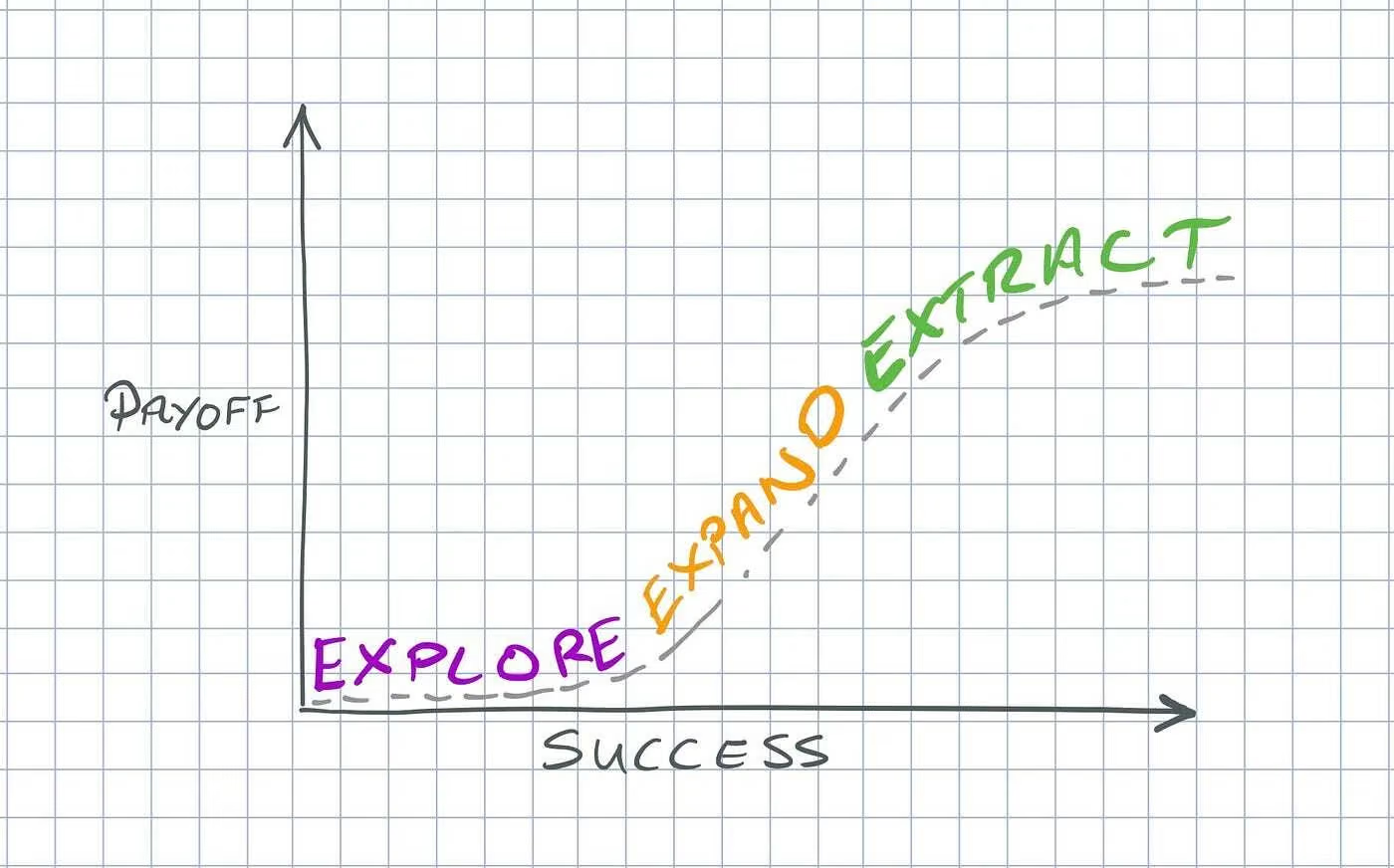

We rapidly explore possibilities, test multiple paths in small, safe steps, and only scale what we know works. The result is digital projects led by AI, that don’t start with complexity and assumptions, but with fast learning loops, low risk, and tangible results from the very first sprint.
CEO, Abtion
3X in practice
From legacy OCR to AI data entry
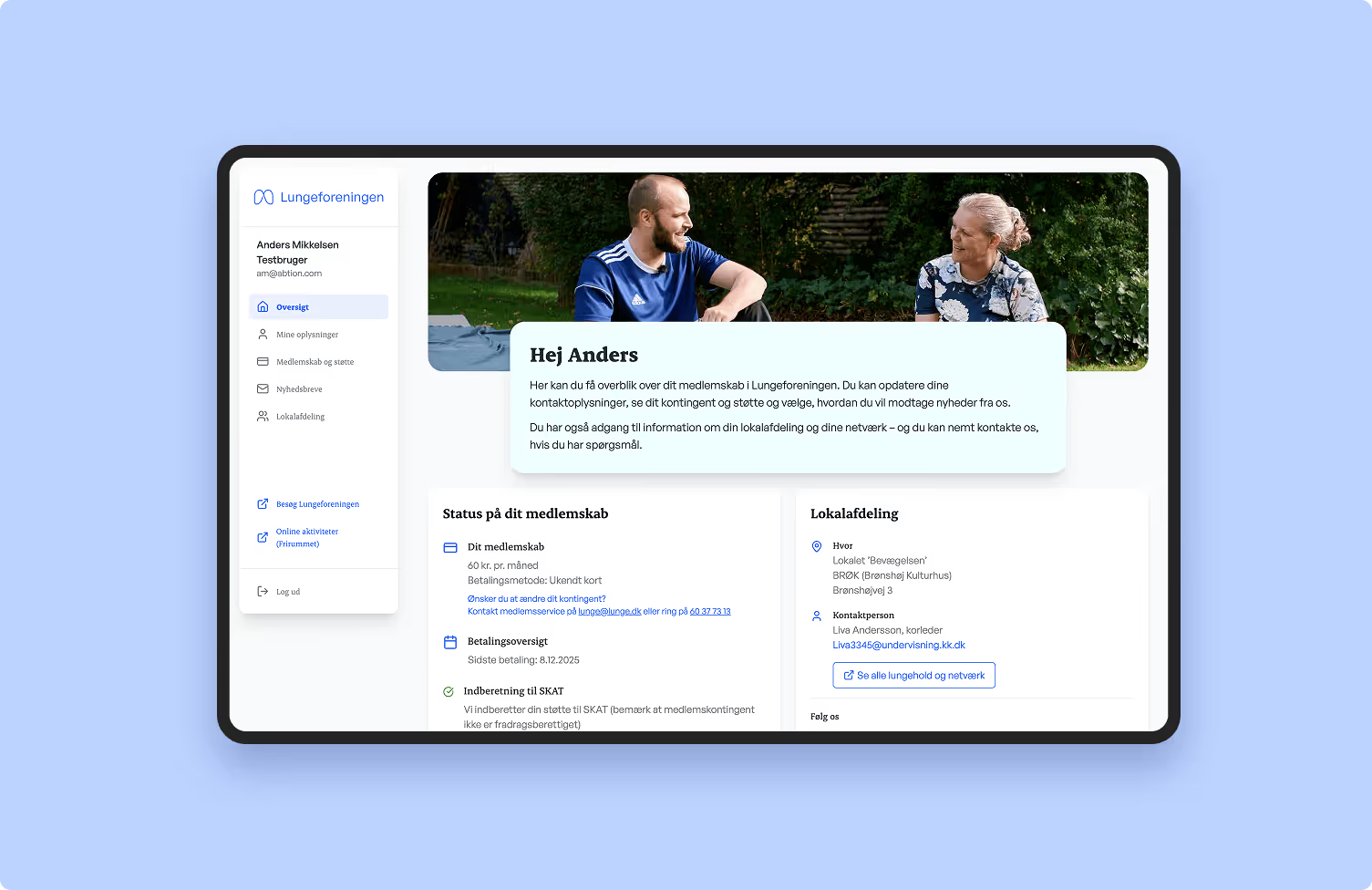
For DSV Transport we replaced an outdated OCR system that struggled to read delivery slips, slowed drivers down, and cost too much to maintain. Instead, we tested modern AI on real photos and metadata like GPS and task type, and quickly confirmed it could read the slips far more accurately. We then built a prototype that autofilled data in the backend so drivers only had to verify, not type. After testing, the AI fully replaced the old OCR, delivering faster workflows, lower cost, greater accuracy, and a smoother data-entry experience for drivers.
Explore has become cheaper
Since we wrote this article, we have reorganised our working day. The agents build at night, so a prototype costs a night rather than a sprint. That makes the first phase of 3X even cheaper: we can try out three solutions with real users in the time it used to take to build one. Read how we work now.
Why 3X Optionality makes sense for AI projects
Kent Beck’s philosophy is simple: You cannot optimize something you do not yet understand. Therefore the work is divided into three stages:

Explore - understand the problem and the opportunities:
In this phase we test hypotheses, validate data sources, work with real examples, and examine where AI can realistically create value.
Expand - grow the right solution:
When we find something that works, we build a functional prototype, test it with users, gather data, adjust and expand only what shows real effect.
Extract – make the solution robust, efficient, and scalable:
Here we streamline the solution, reduce dependencies, optimize costs, and prepare the technology for production-level performance.
What we learned
AI enabled a faster and smoother workflow where the driver maintains control but spends much less time on manual entry.

AI as support, not replacement.
The human decides, AI reduces workload.
Context beats complexity
GPS, task type and history yield better results than simply using a larger model.
Errors are best prevented early.
Smarter warnings and validation make the process easier without feeling like surveillance.
Why 3X Optionality works
- quick results - minimal upfront cost - a clear link between AI and actual business needs - a robust final solution only once we know what works In short: AI without hype, but with real value from the very first steps.





Vi nøjes ikke med at følge med
Mads Hofman
CEO & Advisor

Abtion \
Vi tester, udforsker og bruger aktivt nye AI-teknologier i vores løsninger. Lad os få jeres setup up to date.